Sintered Stone vs Quartz in Malaysia: Which Is the Better Choice?
April 17, 2026
How Much Does Sintered Stone Cost in Malaysia? (2026 Price Guide)
June 12, 2026
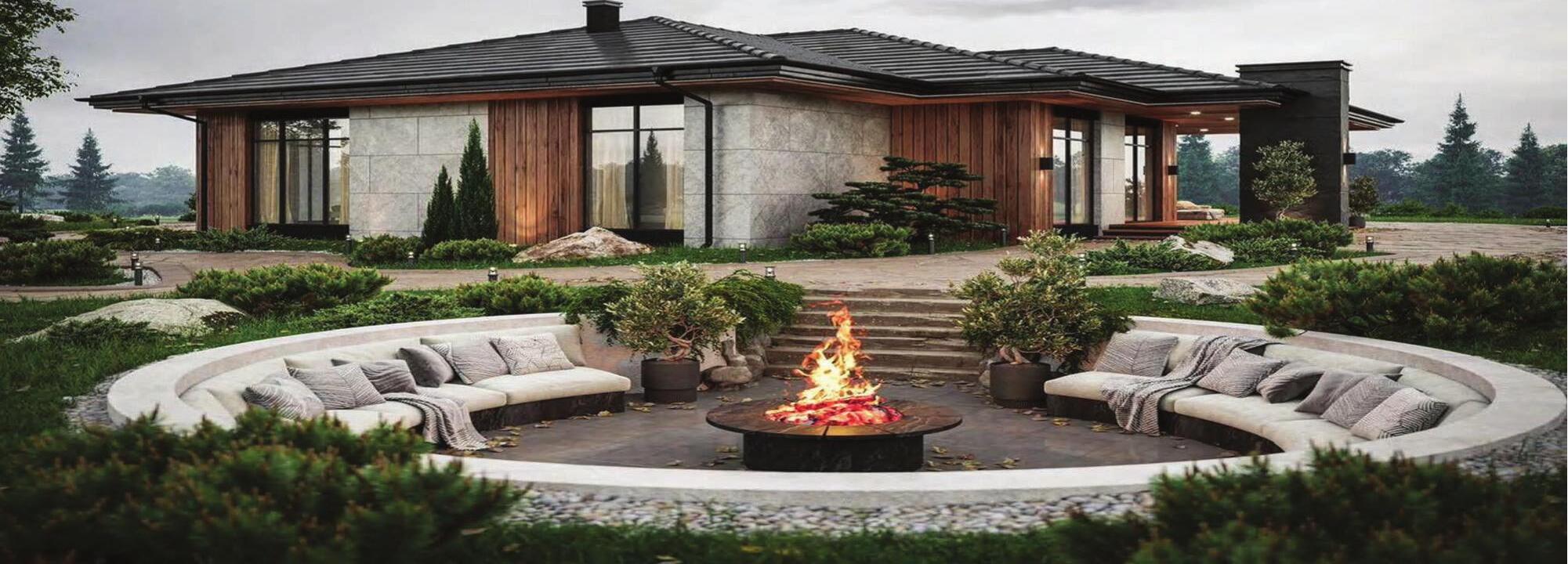
If you are scoping a wall cladding project in Malaysia in 2026, the first problem is that “wall cladding” covers half a dozen completely different material categories. Most online guides focus on a single material because the supplier writing the guide only sells that material, leaving architects and renovation clients to compare across supplier sites with no apples-to-apples view.
The short answer: for outdoor and facade work, metal and sintered stone cladding are the strongest picks. For interior feature walls, decorative panel systems (fluted, stone-look, flexible) deliver the biggest aesthetic impact for the budget. For wet areas, waterproof PVC composite panels win on installation speed.
This guide covers the six main wall cladding categories used in Malaysia, the typical cost range for each, where each works best, and a five-question framework to help you decide.
What Is Wall Cladding (and How Is It Different From Wall Panels)?
Wall cladding is any non-structural material applied over a wall surface to protect it, change its appearance, or both. The cladding sits on top of the structural wall and can be installed indoor or outdoor on residential or commercial buildings.
The term overlaps with “wall panels” in everyday Malaysian usage. Wall cladding is the broader category and often refers to large-format building skin (metal facade, stone veneer, fiber cement). Wall panels usually refer to interior decorative systems (fluted, 3D feature walls, acoustic) supplied in standard pre-finished sizes. The two converge for indoor decorative applications, where the same product is marketed as either depending on the audience.
Quick Comparison: 6 Wall Cladding Categories in Malaysia
| Category | Best for | Indicative cost (RM/m²) | Indoor / Outdoor |
|---|---|---|---|
| Metal cladding (aluminium, steel) | Building facades, commercial exteriors | 80 to 250 | Both, mostly outdoor |
| Stone cladding (natural and sintered) | Premium feature walls, facades, hospitality | 200 to 800+ | Both |
| PVC and WPC cladding | Wet areas, ceilings, budget-conscious projects | 30 to 150 | Both (WPC), indoor (PVC) |
| Composite panels (ACP, fiber cement) | Commercial facades, signage, lightweight builds | 60 to 180 | Mostly outdoor |
| Decorative wall panel systems (fluted, flexible) | Interior feature walls, hospitality, retail | 80 to 300 | Indoor |
| Surface protection sheets | Floor and wall protection during renovation | 5 to 15 (per sqft) | Indoor (during works) |
Cost ranges are indicative for material supply only and exclude substrate prep, installation, and finishing.
The 6 Main Wall Cladding Categories Used in Malaysia
1. Metal Wall Cladding (Aluminium, Steel, Stainless Steel)
The default for commercial building facades in Malaysia, especially industrial buildings, warehouses, and modern office blocks. Common types include aluminium composite panel (ACP), pre-coated steel, stainless steel, and titanium-zinc for premium applications.
Pros: durable, weather-resistant, fire-rated, lightweight relative to masonry, decade-plus lifespan. Cons: premium finishes get expensive, surface scratches are visible and hard to repair, aesthetic skews industrial. Best for: building facades, signage walls, soffits, commercial lobbies, exterior feature walls.
2. Stone Wall Cladding (Natural Stone and Sintered Stone)
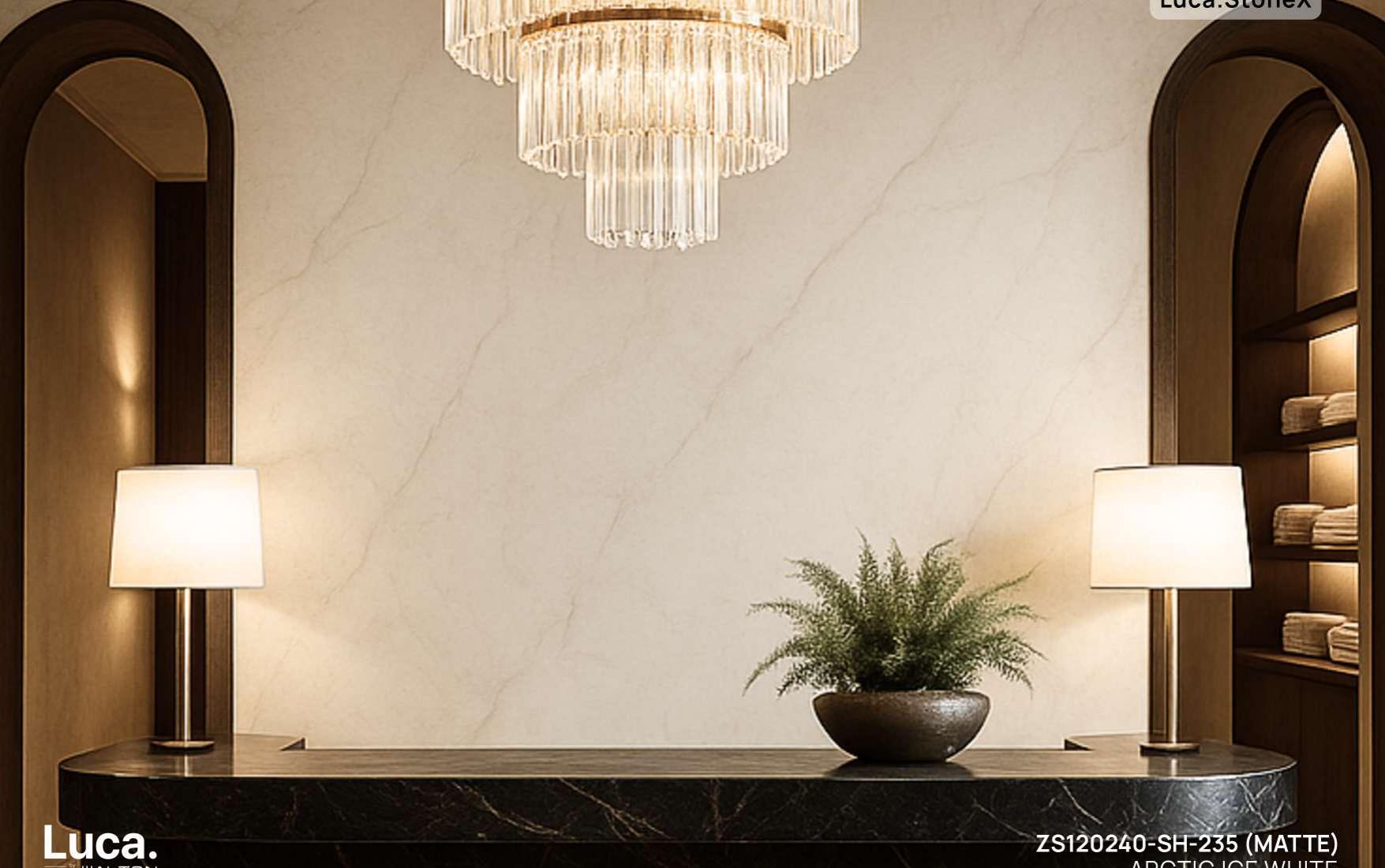
Natural stone (granite, marble, limestone, slate) is quarried and applied as veneer or thicker tiles. Sintered stone is engineered, made by compressing natural minerals under high heat and pressure with no resin binders.
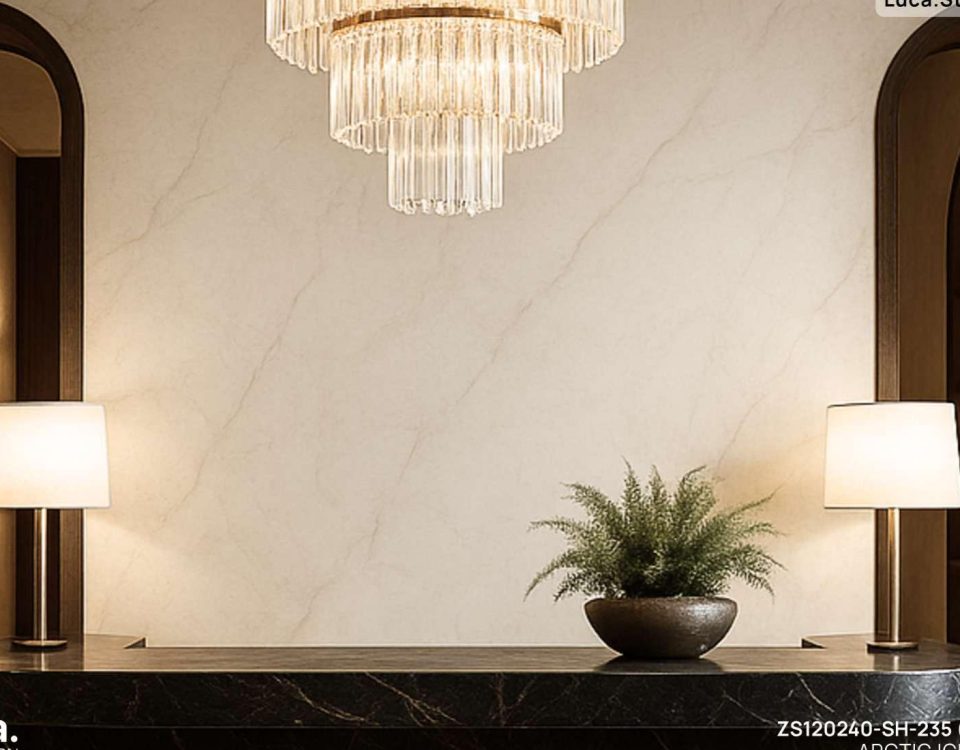
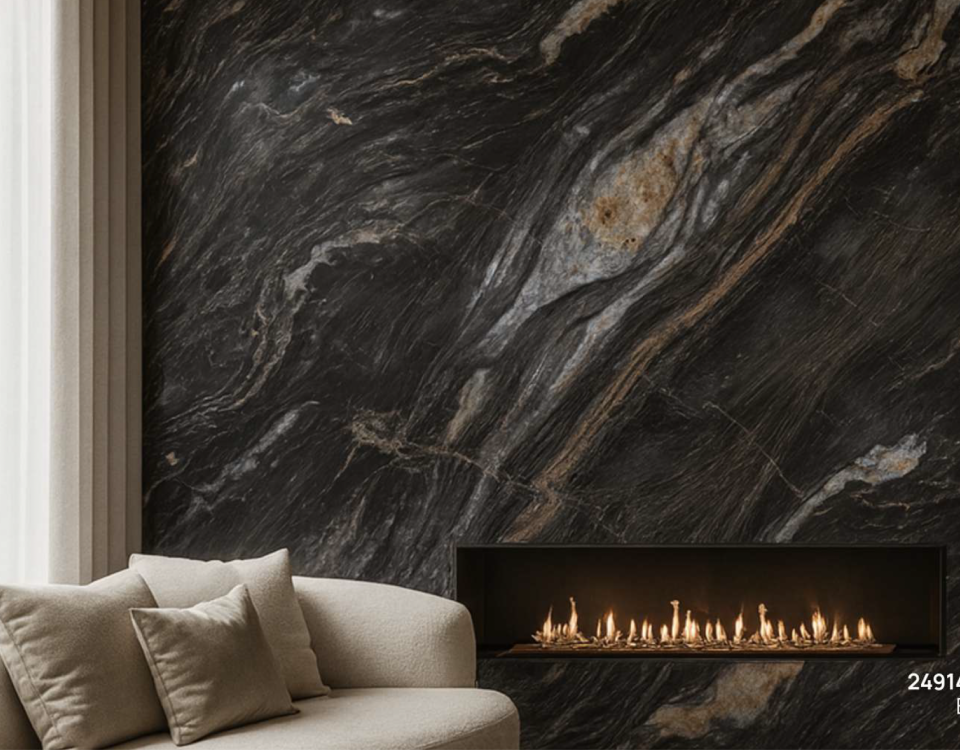
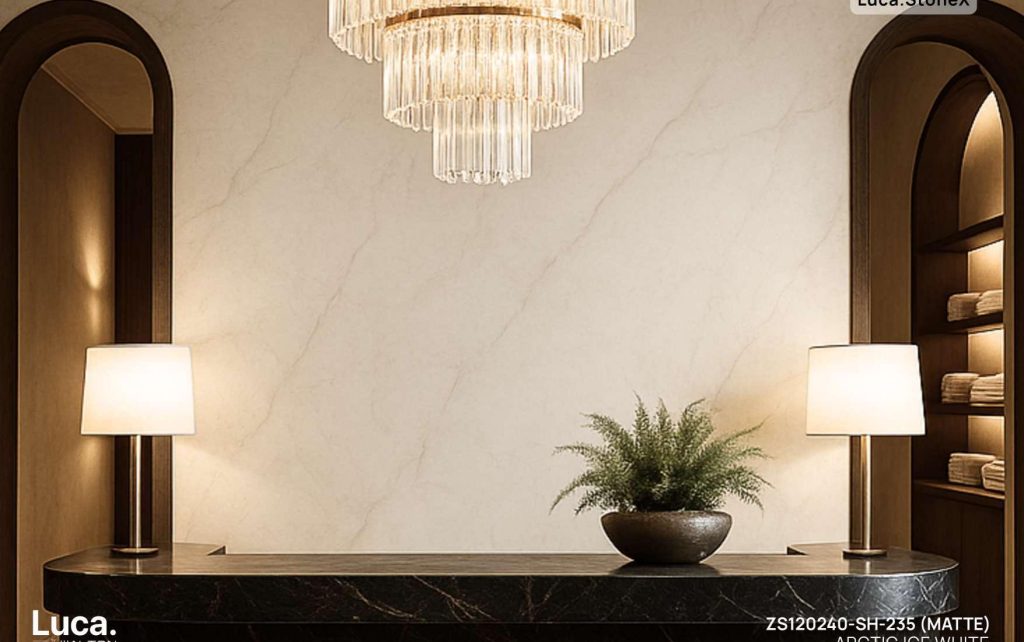
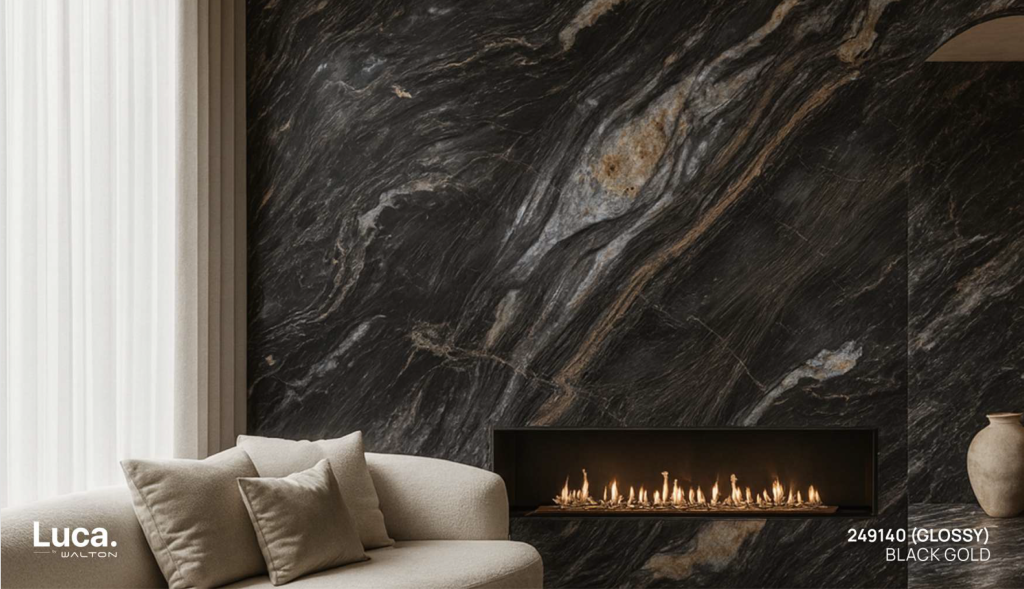
Pros: authentic premium aesthetic (natural), UV stable + heat resistant + non-porous (sintered), large-format runs. Cons: natural stone is heavy and needs sealing; sintered stone has higher material cost and fewer installers familiar with large-format handling. Best for: premium residential feature walls, hotel lobbies, restaurant interiors, kitchen splashbacks, exterior facades on luxury projects. The Luca. StoneX premium sintered stone surface sits in this category, with 14 ready-stock patterns produced in 1200 x 2400mm sheets at 9mm thickness. Current sintered stone prices in Malaysia are covered in our dedicated price guide.
3. PVC and WPC Wall Cladding
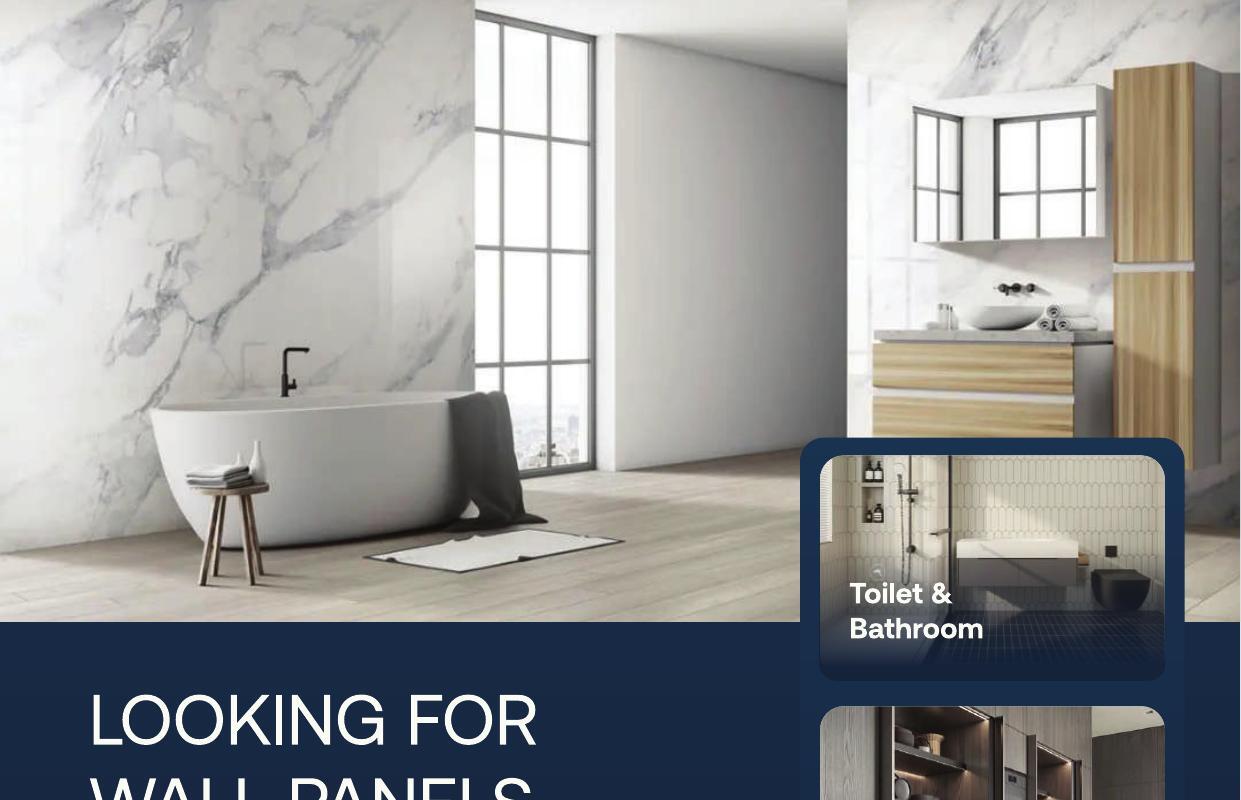
PVC and WPC (wood plastic composite) cladding sits at the budget-friendly end of the market and is one of the fastest-growing categories in Malaysia, driven by renovation demand for affordable, fast-install solutions.
Pros: low cost, fast installation, waterproof variants available, lightweight, easy to cut on site, convincing wood and stone mimics. Cons: lower-end PVC can look plasticky, durability varies between brands, lower fire ratings than metal or stone, can warp under sun if not outdoor-rated. Best for: bathroom and toilet walls, kitchen pantries, ceilings, budget feature walls, rental refurbishments. The Luca. WetPro waterproof wall panels for wet areas sit in this category, built from a four-layer construction with rigid SG-8 PVC core and calcium carbonate.
4. Composite Panel Cladding (ACP, Fiber Cement, Modified Composites)
Includes aluminium composite panel (ACP, two thin aluminium skins bonded to a polymer or mineral core), fiber cement boards, and engineered composites combining multiple materials.
Pros: lightweight, dimensionally stable, large flat sheets that suit modern minimalist facades, CNC-cut for custom patterns. Cons: fire-rated grades exist but specification needs careful checking, surface damage is hard to repair, polymer-core panels can delaminate under sustained heat. Best for: commercial building facades, signage, soffits, modern minimalist exteriors. Modified composites like the Luca. Stone Carved lightweight stone-look panels extend this category into stone-look territory, made from Modified Inorganic Powder Composite Material at 2mm to 10mm thick.
5. Decorative Wall Panel Systems (Fluted, Flexible, Acoustic)
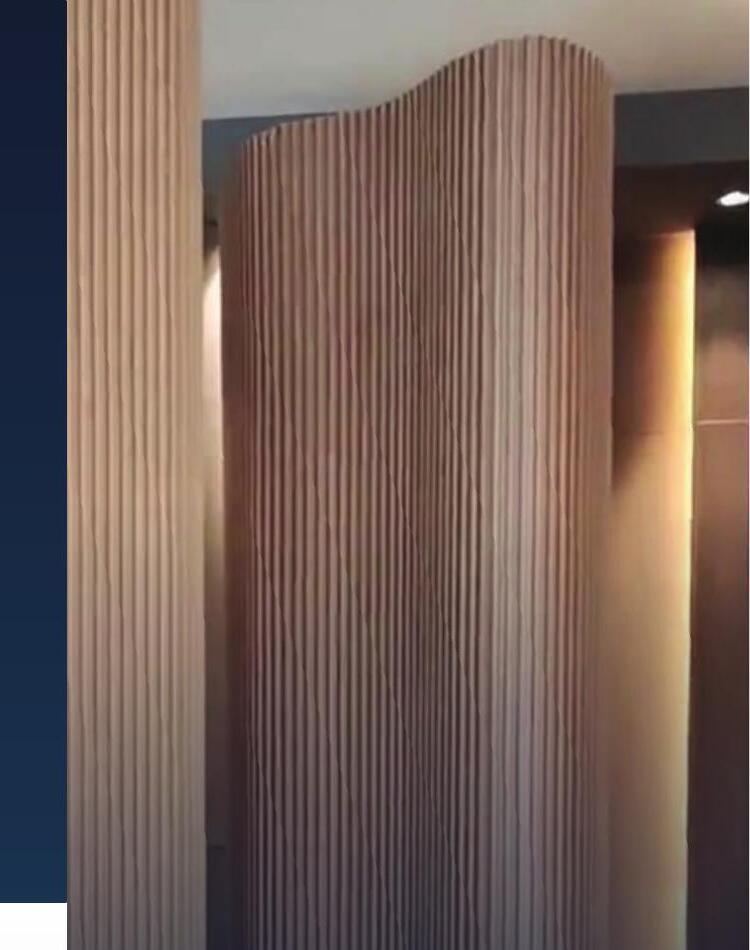
Pre-finished modular systems engineered for visual impact on interior feature walls, ceilings, and column wraps. Includes fluted panels (vertical ribbed texture), flexible panels (curve-wrapping), and acoustic panels (sound-absorbing).
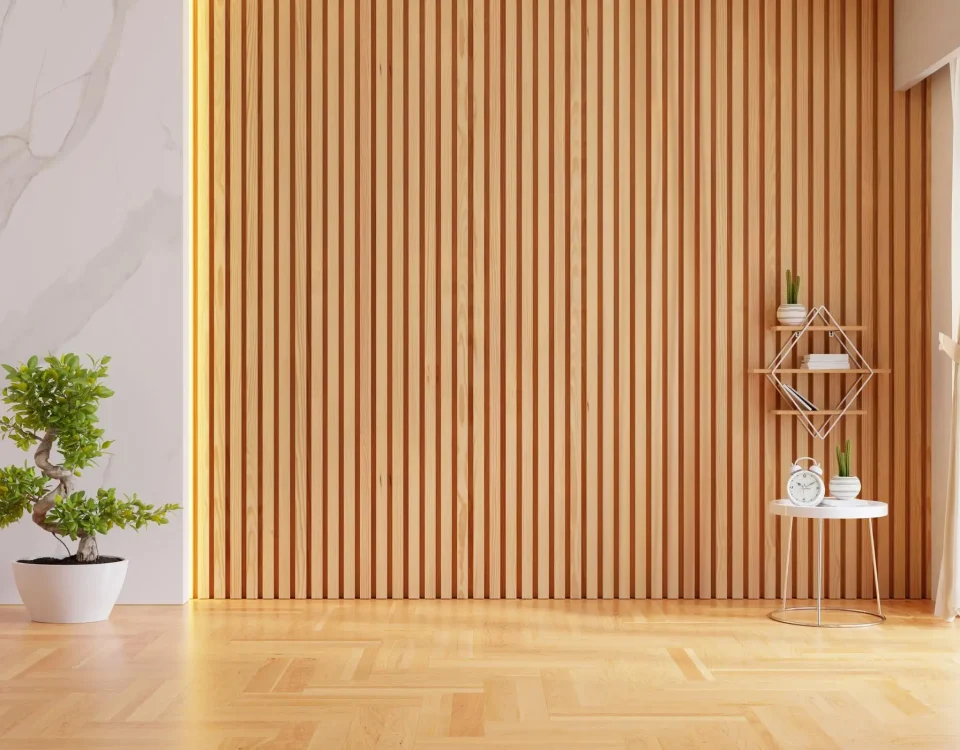
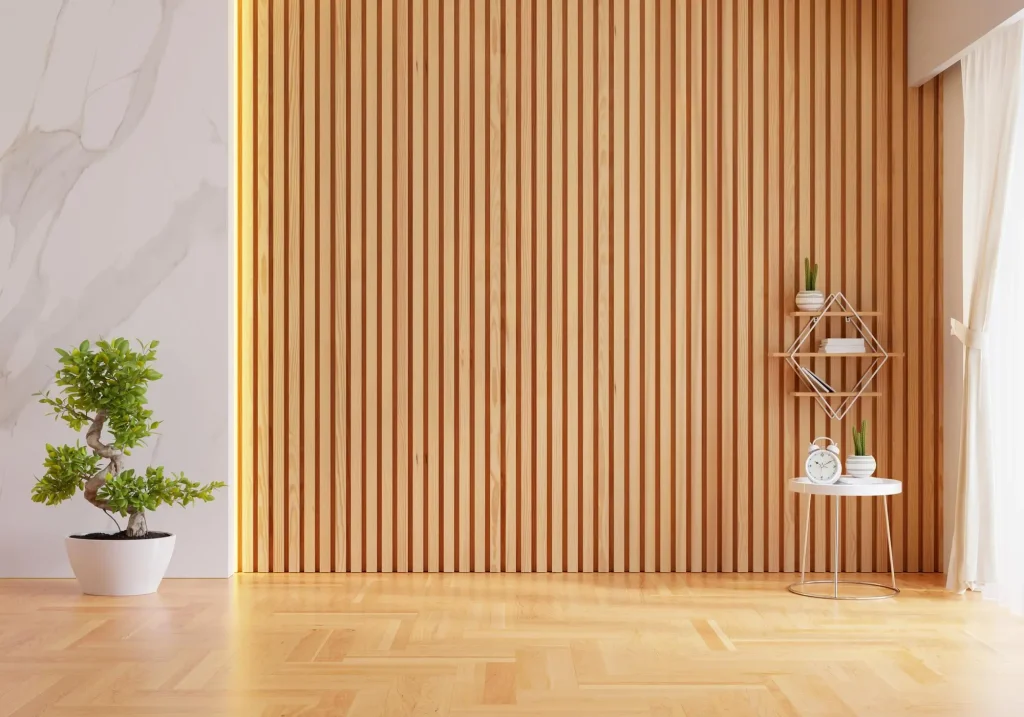
Pros: high visual impact, fast installation, pre-finished, lightweight enough for ceilings without structural reinforcement. Cons: indoor-only for most products, less suited to wet areas unless specifically rated. Best for: hotel lobbies, restaurant interiors, retail flagship stores, residential feature walls, conference rooms (acoustic), curved column wraps. The Luca. Fluted decorative wall panel system covers 25 panel profiles in widths from 50mm to 360mm. The Luca. Flex flexible wall panels for curved walls wrap right-angle corners and curves in a single continuous skin.
6. Surface Protection Sheets (Used During Cladding Installation)
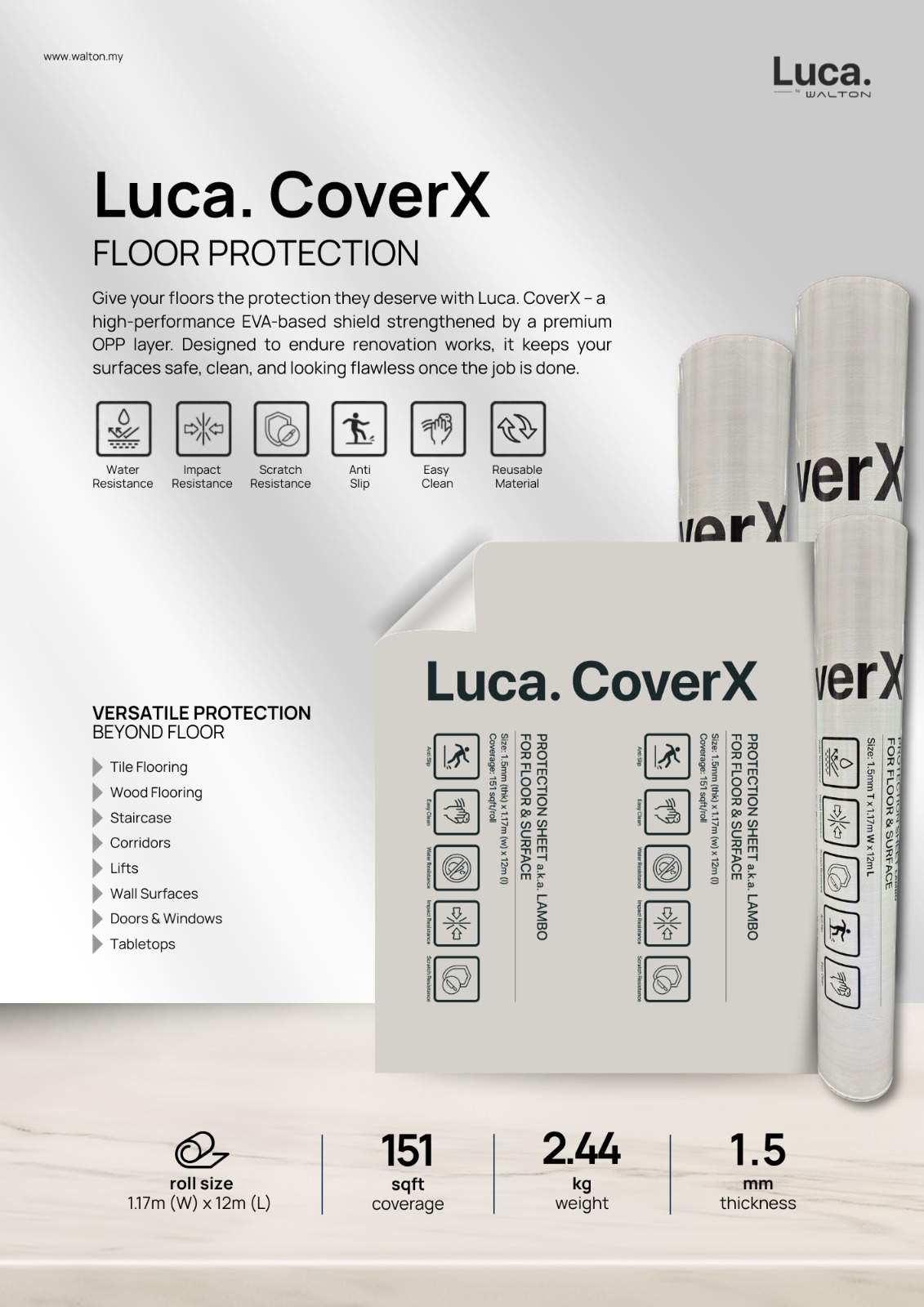
Temporary, reusable rolls laid down to protect existing finishes (floors, walls, doors, tabletops) during renovation and cladding installation works.
Pros: protects expensive finishes during fit-out, reusable across multiple projects, lightweight, cuts remediation costs. Cons: not a finished surface; only useful during the construction phase. Best for: during renovation, fit-out, and installation works in occupied or finished spaces. The Luca. CoverX surface protection sheet (also known as Lambo) is built around an EVA core with a premium OPP surface layer, supplied in rolls 1.17 metres wide by 12 metres long covering approximately 151 square feet per roll.
Wall Cladding Cost in Malaysia (Real Ranges)
A realistic wall cladding budget in Malaysia in 2026 includes material supply (RM 30 to RM 800+/m² depending on category), substrate prep (RM 20 to RM 80/m²), installation labour (RM 50 to RM 200/m² depending on complexity and height access), trim and accessories, plus sealants and fasteners.
For a typical residential interior feature wall in the Klang Valley, the all-in budget for a mid-range PVC composite or fluted panel finish lands around RM 150 to RM 300 per square metre. Premium sintered or natural stone installed by a specialist team can run RM 600 to RM 1,500 per square metre for complex layouts. What pushes price up most: large-format slabs requiring specialist handling, exterior installation with scaffolding, intricate corner details, and CNC-cut or custom finishes.
Interior vs Exterior Wall Cladding: What Changes
Exterior cladding in Malaysia must handle direct sun, monsoon rain, high humidity, and ambient temperatures from low 20s overnight to mid-30s in afternoon sun. Materials that perform: metal, sintered stone, fiber cement composites, treated WPC, and certain modified inorganic composites.
Interior cladding has a much broader option set because the climate is controlled. Decorative panels, PVC, fluted, and most stone-look products work well indoors. The constraint becomes less about climate and more about the specific room: wet areas need waterproof and mould-resistant materials, kitchens need fire-rated near heat sources, high-traffic areas need scratch and impact resistance.
A frequent mistake in Malaysian projects is specifying an indoor-rated PVC panel for an outdoor balcony to save cost. The panel survives 12 to 18 months and then warps and discolours from UV exposure. Always confirm the product is rated for outdoor use before specifying it on any sun-exposed surface.
How to Choose the Right Wall Cladding (5-Question Framework)
Answer these five before requesting samples:
1. Indoor or outdoor? If outdoor, rule out indoor-only PVC panels. Focus on metal, sintered stone, fiber cement, treated WPC, or modified composites.
2. Residential, commercial, or hospitality? Commercial and hospitality projects usually demand higher fire ratings, faster installation cycles, and pre-finished materials.
3. What is the substrate? Heavy stone needs structural reinforcement; lightweight decorative panels can install over standard plasterboard.
4. What is the all-in budget per square metre? RM 100 to 200 narrows you to PVC composites and basic decorative panels. RM 300 to 600 opens up sintered stone, premium decorative systems, and specialty composites. RM 800+ lets you specify premium natural stone or large-format sintered stone.
5. What is the maintenance tolerance? Some materials need annual sealing; others are essentially zero-maintenance. Hospitality clients usually want the latter.
Walton’s Wall Cladding Range in Malaysia
Walton Interiors supplies decorative wall panel and surface systems across the residential, commercial, and hospitality segments in Malaysia. The range covers most of the categories above:
- Luca. Fluted decorative wall panels for interior feature walls, ceilings, and column wraps
- Luca. Flex flexible wall panels for curved walls, columns, and corners
- Luca. WetPro waterproof wall panels for bathrooms, kitchens, and wet areas
- Luca. StoneX premium sintered stone surface for premium feature walls and architectural finishes
- Luca. Stone Carved lightweight stone-look panels for indoor and outdoor stone-look applications
- Luca. CoverX surface protection sheet for protecting finished surfaces during renovation
For comparison detail on the sintered stone category specifically, see our companion guide on sintered stone vs quartz in Malaysia.
Frequently Asked Questions
What is wall cladding?
Wall cladding is any non-structural material applied over a wall surface to protect it, change its appearance, or both. Common materials in Malaysia include metal panels, stone (natural and sintered), PVC and WPC composites, fiber cement, and decorative wall panel systems like fluted or flexible panels.
Which wall cladding material is best for Malaysian climate?
For outdoor use, the strongest performers are metal cladding (aluminium, steel), sintered stone, fiber cement, and treated WPC. Standard PVC panels and most decorative panel systems are indoor-only and will warp or fade if installed outdoors. For interior use, the climate is controlled, so material choice is driven by aesthetic and specific room requirements rather than climate.
How much does wall cladding cost in Malaysia per square metre?
Material supply ranges from around RM 30 per square metre for basic PVC composite panels to RM 800 or more for premium sintered or natural stone slabs. All-in cost typically lands at RM 150 to RM 300 per square metre for mid-range interior projects, RM 400 to RM 700 for premium decorative or sintered stone work, and RM 800 to RM 1,500 or more for specialist large-format or exterior installations.
What is the difference between wall cladding and wall panels?
Wall cladding is the broader umbrella term and often refers to large-format building skin applied indoor or outdoor. Wall panels usually refer to interior decorative systems supplied in standard pre-finished sizes. The two terms increasingly overlap for indoor decorative applications, where the same product is marketed as both depending on the audience.
Can wall cladding be installed over existing walls?
Yes, most wall cladding categories can be installed over existing finished walls in Malaysia, provided the substrate is sound, dry, and level. Lightweight decorative panels and PVC composite panels install directly onto plasterboard or plastered masonry. Heavier stone or sintered stone may need a reinforced substrate or batten system. Always confirm substrate suitability with the supplier before specifying.
Does wall cladding need ongoing maintenance?
Maintenance varies by material. Sintered stone, metal, and most modern composite panels are essentially zero-maintenance and need only periodic cleaning. Natural stone may require annual sealing depending on porosity. PVC and WPC composites need occasional cleaning but no sealing. Outdoor cladding should be inspected after the monsoon season for sealant integrity.
Which wall cladding works for both interior and exterior?
Categories that perform reliably both indoors and outdoors in Malaysia include metal (aluminium, steel), sintered stone, fiber cement, modified inorganic composite panels, and certain treated WPC products. Many products within these categories have separate indoor-only and outdoor-rated variants, so always confirm the specific finish or grade is rated for outdoor exposure.
What is the best external wall cladding in Malaysia?
For external walls in Malaysia’s hot, wet climate, the strongest performers are metal cladding (aluminium composite and pre-coated steel), sintered stone, and fiber cement. These handle UV, rain and heat without warping or fading. Standard PVC panels and most decorative interior panel systems are not rated for outdoor use and will degrade in direct sun. Aluminium composite panel is the usual default for commercial facades, while sintered stone suits premium residential exteriors and feature walls.
What is composite wall cladding?
Composite wall cladding is any cladding made from two or more bonded materials, engineered to combine their strengths. The most common types in Malaysia are aluminium composite panel (ACP), two thin aluminium skins bonded to a polymer or mineral core, and WPC (wood plastic composite), which blends wood fibre with plastic for a waterproof, wood-look finish. Composite panels are lightweight, dimensionally stable, and suit both facades and interior feature walls.
What are cladding sheets and panels?
Cladding sheets and panels are the pre-finished boards installed over a wall surface as cladding. Sheets usually refer to large-format material (metal, fiber cement, composite) used on facades, while panels often refer to interior decorative systems (fluted, stone-look, flexible) supplied in standard sizes. Both install over the structural wall rather than replacing it, and material supply in Malaysia ranges from around RM 30 per square metre for basic PVC composite up to RM 800 or more for premium stone.
Bottom Line
Wall cladding in Malaysia is not a single decision; it is a sequence of decisions about climate exposure, substrate, budget, and aesthetic. The six-category framework above is the fastest way to narrow your shortlist before requesting samples.
For exterior facades, look at metal, sintered stone, or composite panels first. For interior feature walls in hospitality or residential projects, decorative panel systems deliver the biggest visual impact for the budget. For wet areas, waterproof PVC composite panels are the fastest install route.
Sample rolls, technical data sheets, and project quotes are available on request from Walton Interiors for architects, designers, contractors, developers, and homeowners specifying wall cladding for projects across Malaysia.